
Footballers Who Changed Wedding Plans Due to Injuries or Transfers
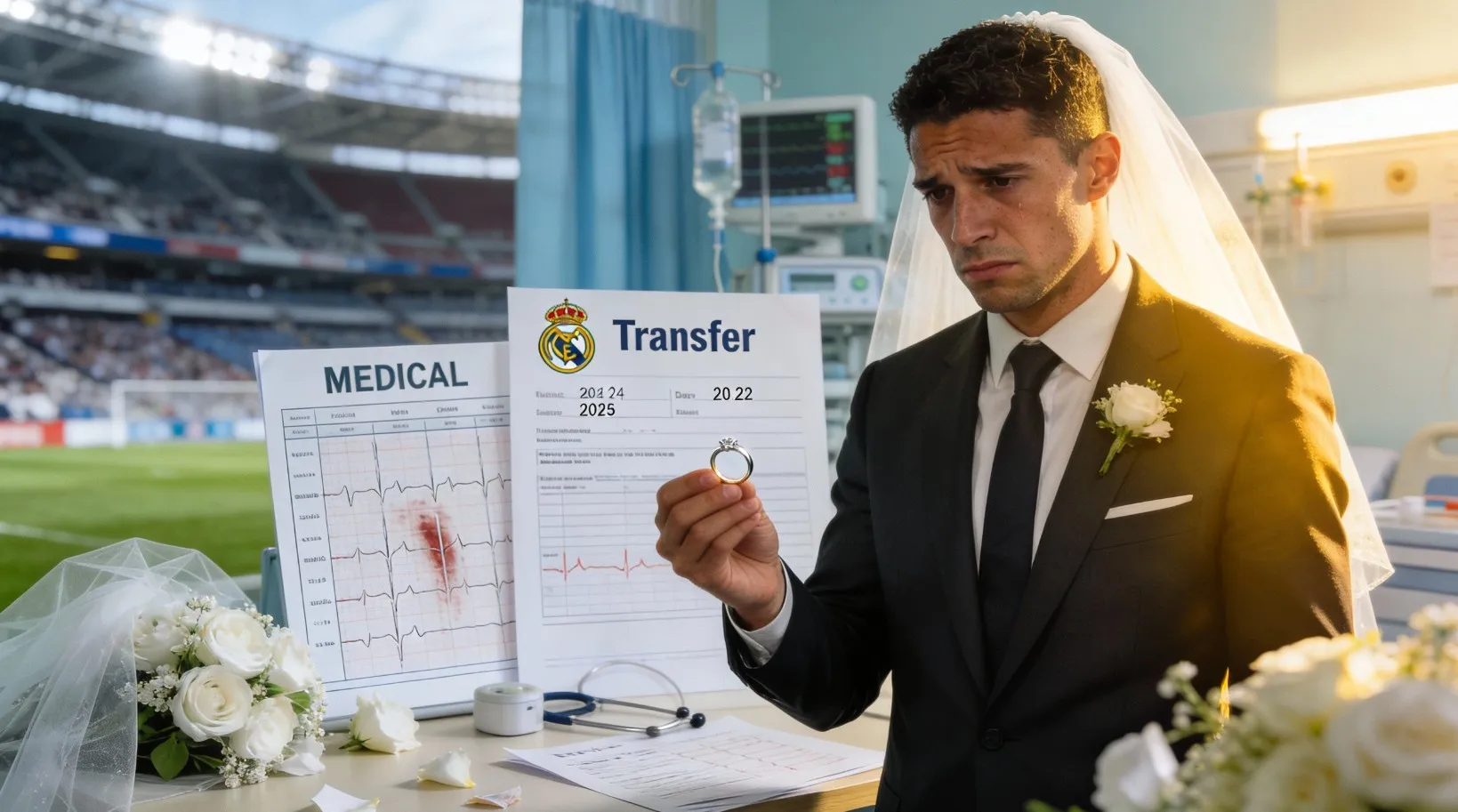
For professional footballers, long-term personal planning is often fragile. Careers unfold in unpredictable ways, shaped by injuries, sudden transfers, and constant performance pressure. While fans usually associate these disruptions with missed matches or tactical changes, their impact goes far beyond the pitch. One of the most affected personal milestones is marriage.
Unlike ordinary professions, football does not allow fixed calendars. A wedding date set months in advance can easily collide with rehabilitation schedules, transfer negotiations, or relocation requirements. Over the years, numerous footballers have been forced to postpone, reschedule, or completely rethink their wedding plans due to injuries or transfers. These cases reveal how deeply professional uncertainty influences private life in elite football.
Why football careers make wedding planning unstable
Weddings require coordination, certainty, and commitment to a specific time and place. Football careers offer none of these guarantees. Even players with long-term contracts face constant uncertainty due to physical condition, squad selection, and transfer market dynamics.
Several structural factors make weddings especially vulnerable in football:
- seasons overlap with traditional wedding periods,
- injuries occur without warning and often require full focus,
- transfers can force immediate relocation across borders,
- clubs expect availability even during recovery phases.
Because of this, weddings are often postponed not out of choice, but necessity.
Injuries that forced footballers to postpone weddings
Long-term injuries are among the most common reasons footballers change wedding plans. Serious injuries usually involve surgery, rehabilitation programs, and strict medical supervision. In such situations, celebrations become secondary to recovery.
Marco Reus is often cited as an example of how recurring injuries disrupt personal planning. Throughout his career at Borussia Dortmund, repeated setbacks forced him to delay not only football ambitions but also private milestones. While Reus kept details of his wedding largely private, German media consistently reported postponed family plans during extended recovery periods.
Jack Wilshere experienced similar challenges. Persistent injuries during his time at Arsenal and later West Ham created uncertainty that affected both his career and personal life. Rehabilitation schedules often conflicted with previously planned family events, leading to rescheduling and reduced ceremonies.
Injury-related postponements usually happen for several reasons:
- medical advice discouraging travel or stress,
- uncertainty about return dates,
- psychological pressure to focus solely on recovery.
For many players, celebrating a wedding while injured feels emotionally out of sync with their professional reality.
Transfers that reshaped wedding plans entirely
Transfers are even more disruptive than injuries when it comes to wedding planning. A move to another club often involves a new country, new legal requirements, and immediate professional integration. Weddings planned around one city or country can suddenly become impractical.
Ángel Di María’s transfer from Real Madrid to Manchester United in 2014 is a well-documented case. Reports suggested that personal plans, including wedding arrangements, were adjusted due to sudden relocation and family logistics. Travel for extended family, venue commitments, and legal paperwork all had to be reconsidered.
Another example is Thiago Silva, whose early career moves across Europe required repeated personal adjustments. Transfers between leagues often meant postponing celebrations until stability was achieved at the new club.
Transfers affect weddings in multiple ways:
- venues become inaccessible,
- guest travel becomes complicated,
- legal marriage procedures change by country.
In many cases, couples opt to delay everything rather than rush into an impractical solution.
Deadline-day moves and last-minute postponements
Some of the most dramatic disruptions occur during deadline-day transfers. These moves are often finalized within hours, leaving no room for personal considerations. Players may be required to travel immediately for medical tests, contract signings, and media duties.
When weddings are scheduled close to such periods, postponement becomes unavoidable. In several documented cases, players canceled ceremonies just days before planned dates due to unexpected transfers.
These situations usually result in:
- indefinite postponement,
- scaled-down private ceremonies later,
- complete relocation of wedding plans.
Deadline-day transfers highlight how little control players sometimes have over their own schedules.
How injuries and transfers affect wedding plans
| Career Disruption | Typical Impact | Common Outcome |
|---|---|---|
| Long-term injury | Medical uncertainty | Wedding postponed |
| Rehabilitation setback | Schedule instability | Date rescheduled |
| International transfer | Relocation required | Venue changed |
| Deadline-day move | Immediate travel | Ceremony delayed |
| Contract uncertainty | Future unclear | Smaller private wedding |
This table illustrates how professional instability directly shapes personal decisions.
Psychological pressure behind postponing weddings
Beyond logistics, there is a strong psychological component. Footballers often feel uncomfortable celebrating major life events while injured or struggling professionally. The pressure to return to form or justify a transfer fee can outweigh personal joy.
Players recovering from injury often describe feeling mentally disconnected from celebrations. Weddings demand emotional presence, public attention, and social energy — all difficult to manage during periods of professional uncertainty.
For many, postponement feels like a responsible decision rather than a sacrifice.
When transfers changed the scale of weddings
Transfers do not always delay weddings — sometimes they transform them. Ceremonies planned as large public events are occasionally reduced to private gatherings due to relocation challenges.
Players moving abroad often face:
- visa issues for guests,
- limited time off during preseason,
- cultural differences in wedding customs.
As a result, some footballers choose small legal ceremonies first, followed by larger celebrations later when careers stabilize.
This two-stage approach has become increasingly common among internationally mobile players.
Cultural and international complications
Footballers with multinational backgrounds face additional complexity. Injuries or transfers between continents can disrupt traditional wedding customs tied to specific seasons or locations.
For example, players from South America marrying in Europe often plan ceremonies around extended family travel. A sudden transfer or injury can make such arrangements impossible, forcing postponement or relocation.
In these cases, professional obligations collide directly with cultural expectations.
Lessons from footballers who changed wedding plans
Looking across these cases, several patterns emerge. Players who successfully navigated wedding disruptions often shared similar approaches:
- early communication with partners and families,
- flexibility in ceremony scale and timing,
- prioritization of long-term career stability,
- acceptance that postponement is sometimes unavoidable.
These lessons reflect the reality that elite football demands constant compromise.
Conclusion
Footballers who changed wedding plans due to injuries or transfers offer a revealing look into the human cost of elite sport. Behind every transfer announcement or injury update lies a personal story shaped by uncertainty and sacrifice.
Weddings, symbolizing stability and commitment, often clash with football’s volatile nature. Injuries and transfers do not just affect careers — they reshape personal timelines. As football continues to grow more global and competitive, such stories are likely to remain common.
Ultimately, these cases remind us that even at the highest level, footballers must constantly balance professional ambition with personal life — and sometimes, love has to wait.