
Love Triangles in Football: Real Stories That Shook the Sport
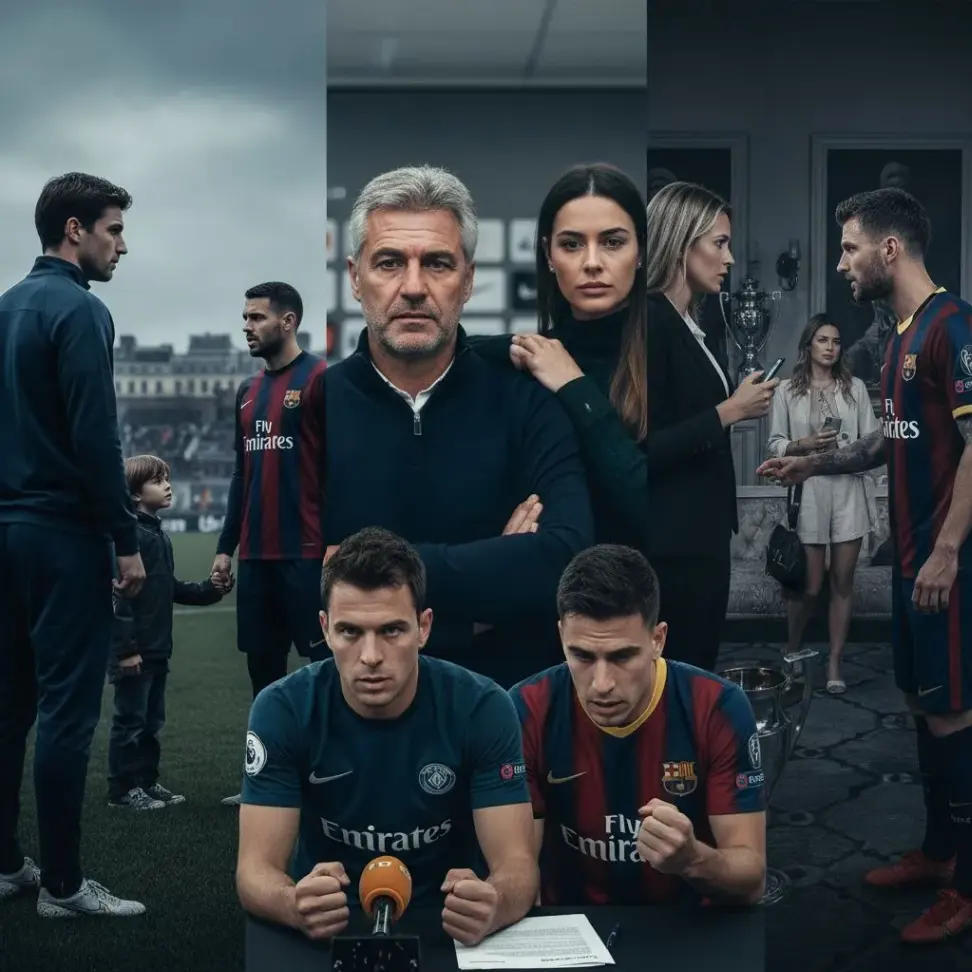
Football has always been more than tactics, goals, and trophies. The personal lives of players often attract as much attention as their performance on the pitch, especially when romance enters the picture. Love triangles involving famous footballers have produced scandals, heated debates, and dramatic twists that captivated fans worldwide.
This article explores real cases—backed by names, events, and long-lasting consequences—that reveal how personal choices can shape public reputations and even sporting careers.
The High-Profile Saga of John Terry, Wayne Bridge, and Vanessa Perroncel
No discussion about love triangles in football is complete without mentioning the explosive John Terry–Wayne Bridge controversy. In 2010, newspapers revealed that Chelsea captain John Terry had been involved in a relationship with Vanessa Perroncel, the former partner of his then-teammate Wayne Bridge. What made the story erupt globally was not only the betrayal but the fact that both men had previously played side by side for Chelsea and the England national team.
Public fallout came quickly. Bridge refused to shake Terry’s hand before a Premier League match, creating one of the most iconic moments of tension in modern English football. The scandal also influenced England manager Fabio Capello’s decision to temporarily remove Terry from the captaincy. Though Terry denied many details, the incident highlighted how personal conflicts can spill into professional arenas, especially when national teams and club relationships are at stake.
Mauro Icardi, Maxi López, and Wanda Nara: A Story of Love, Betrayal, and Social Media
Perhaps no love triangle has generated as much constant drama as the ongoing saga involving Mauro Icardi, Maxi López, and Wanda Nara. The story began in the early 2010s when Wanda, then married to López, developed a close friendship with the young Icardi at Sampdoria. That friendship quickly escalated into romance, leading to López and Nara’s separation and Nara’s eventual marriage to Icardi.
What made this triangle unforgettable was its intensity and longevity. Unlike other scandals that faded from the headlines, the Icardi–Nara–López story resurfaced year after year, amplified by Instagram posts, interviews, and public confrontations. The famous “handshake refusal” reappeared here too—López declined to greet Icardi before a match, echoing the Terry–Bridge moment.
The situation also affected Icardi’s career. Coaches and teammates publicly expressed concerns about off-field distractions, and controversies involving Wanda—who became Icardi’s agent—complicated his relationships with clubs like Inter Milan and Paris Saint-Germain.
When Off-Field Affairs Disrupt Careers: Key Lessons From Football’s Past
Love triangles in football are not only about personal drama but also about the consequences that follow. Some scandals fade quietly, while others dramatically reshape careers and public images. Throughout history, several stories have shown how emotional entanglements can influence transfers, locker-room dynamics, or even national team selections.
To understand how such events ripple through the sport, it is useful to observe common patterns that have emerged from high-profile cases. Before summarizing those patterns in a concise list, it’s important to note that these situations do not occur in isolation—they reflect the intense pressure, fame, and scrutiny surrounding top-level athletes.
Here are the most noticeable recurring themes seen across major football love triangles:
- Broken trust that spreads beyond personal relationships and influences team cohesion.
- Media amplification that turns private conflict into global scandal.
- Long-term career damage when off-field drama overshadows athletic performance.
These patterns illustrate why clubs often take public relations as seriously as tactical preparation. Once the media captures a storyline, players can struggle to reclaim control of their narrative, especially when the scandal connects to team relationships or leadership roles.
After examining these broader implications, it becomes clear that love triangles in football carry consequences far beyond emotional heartbreak. They shape how fans, teammates, and clubs evaluate players both on and off the pitch.
Lesser-Known But Significant Triangles: From Ligue 1 to La Liga
Beyond the famous headline-makers, football history contains several lesser-known love triangle cases that nonetheless created waves inside club environments. In France, for example, Jérémy Ménez was reportedly involved in a complicated romantic situation during his time at PSG, where tensions off the field briefly affected his relationship with teammates. While not as widely publicized as the Terry or Icardi dramas, it showed how even rumors can destabilize locker rooms.
In Spain, stories involving players from Real Madrid and Barcelona occasionally surfaced—though often kept quieter by clubs aiming to protect their images. One such rumor linked Sergio Ramos and Pilar Rubio with alleged external complications early in their relationship, though the situation never escalated into a full media storm. Still, it demonstrated how quickly attention can shift from the pitch to personal life, especially for star defenders or team captains.
Comparing the Impact of Football’s Most Notorious Love Triangles
Before reviewing how these stories influence modern sports culture, it is helpful to compare the key elements of the most well-known triangles. The table below summarizes the core aspects of each case.
| Footballers Involved | Main Conflict | Professional Consequences |
|---|---|---|
| John Terry – Wayne Bridge – Vanessa Perroncel | Alleged affair within national team circle | Loss of captaincy, broken teammate relationships |
| Mauro Icardi – Maxi López – Wanda Nara | Friendship turned romantic betrayal | Transfers affected, locker-room tensions, media dominance |
| Jérémy Ménez (PSG case) | Internal team relationship rumors | Temporary disruption within squad |
| Sergio Ramos associated rumors | Relationship complications | Minor media scrutiny, image management |
This comparison reveals not just the emotional dimension but also the lasting professional impact. Clubs monitor such controversies closely because they affect morale, sponsorships, and public trust.
Conclusion
Love triangles in football continue to fascinate fans because they blend celebrity culture with the high-stakes world of professional sport. Real cases involving John Terry, Wayne Bridge, Mauro Icardi, Maxi López, and others show how deeply personal relationships can influence careers and reshape public narratives. While football is ultimately judged by goals and victories, the emotional dynamics behind the scenes remind us that even global superstars face human challenges. And as long as passion, fame, and pressure collide, stories like these will remain part of football’s dramatic history.