
When Football Clubs Gave Special Permission for Players’ Weddings
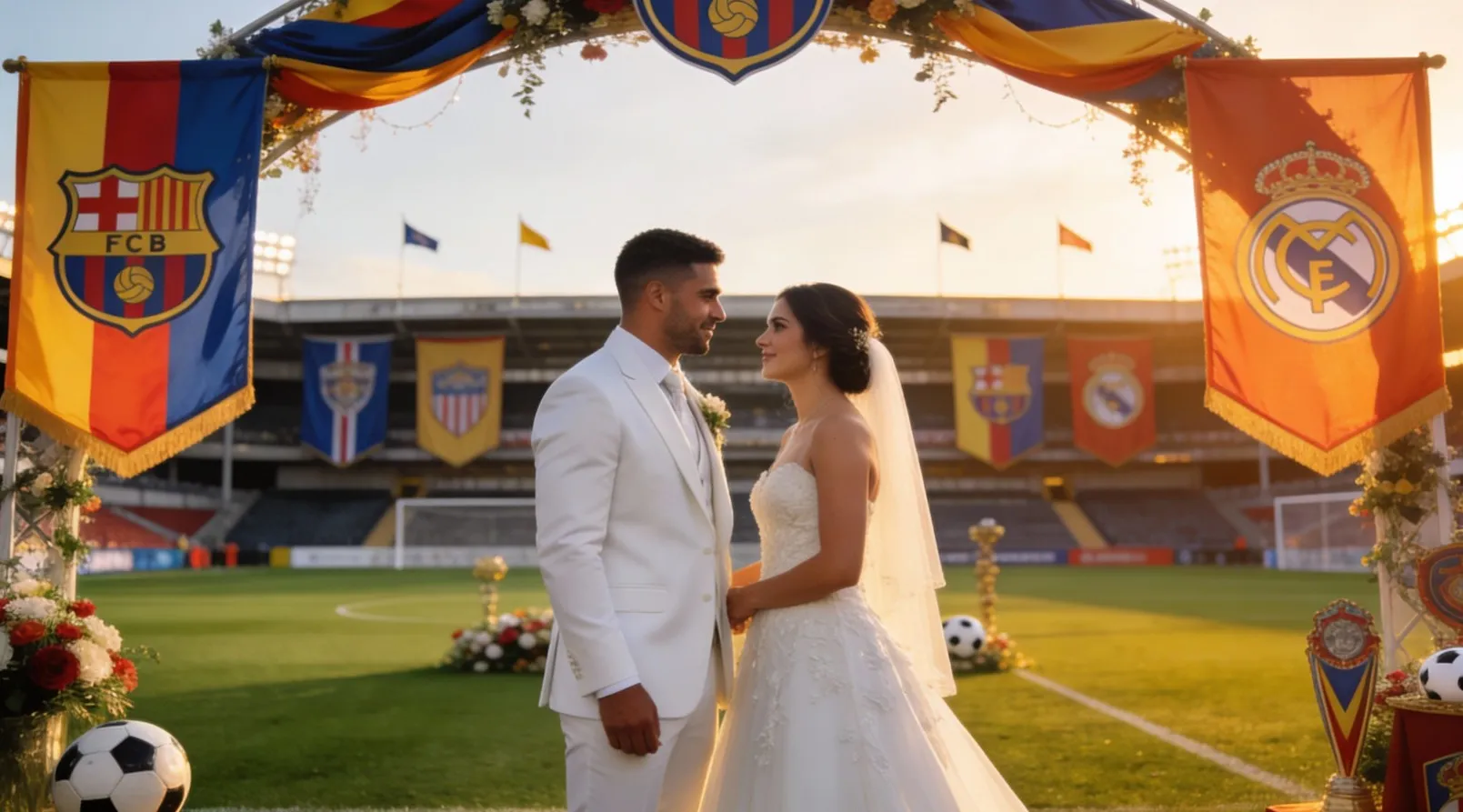
Professional football is built on strict schedules, rigid contracts, and carefully controlled routines. Training sessions, matchdays, recovery periods, and travel plans are mapped out months in advance. In this environment, personal milestones such as weddings rarely fit neatly into the calendar. Yet there have been notable moments when football clubs made exceptions, granting special permission for players to attend or hold their weddings despite competitive obligations.
These decisions are rarely casual. Allowing a player to miss training, arrive late, or briefly leave a team camp involves risk, planning, and trust. When clubs do grant such permission, it often reveals a deeper understanding of player welfare, long-term commitment, and the human side of elite sport. This article explores real cases when football clubs allowed players to prioritize their weddings, the circumstances behind those decisions, and what they say about modern football culture.
Why weddings are difficult to schedule for professional footballers
Unlike most professions, football does not follow a standard calendar. League seasons run from late summer to spring, international tournaments dominate summers, and pre-season schedules are tightly packed. For elite players, even short breaks are carefully monitored.
Weddings, on the other hand, often require fixed dates due to venue availability, family travel, cultural traditions, and religious considerations. This clash creates tension between personal life and professional duty. Clubs are generally reluctant to disrupt preparation, especially during critical periods such as title races, relegation battles, or international competitions.
Because of this, special permission for weddings is usually granted only under specific conditions, often after negotiations involving managers, club executives, and sometimes national teams.
Situations where clubs are more likely to approve wedding leave
While there is no universal policy, patterns emerge in cases where clubs have shown flexibility. These situations typically involve a combination of timing, player status, and mutual trust.
Clubs are more likely to approve wedding-related absences when:
- the event falls during an international break or off-day,
- the player is not expected to feature in an immediate match,
- the wedding date was fixed long in advance,
- the player has demonstrated professionalism and commitment,
- travel logistics allow a quick return.
These factors help clubs balance personal support with sporting responsibility.
Famous cases of clubs allowing players to attend weddings
Several well-documented examples show how clubs have handled wedding requests with discretion and flexibility.
In 2019, Lionel Messi married Antonela Roccuzzo during the off-season, but similar permissions had been granted earlier in his career for family events. Barcelona have long been known for managing Messi’s personal schedule carefully, ensuring minimal disruption while maintaining trust.
Another notable case involved Mesut Özil during his time at Arsenal. The club allowed him flexibility around his wedding period, coordinating training schedules to accommodate travel while ensuring fitness levels remained intact.
Cristiano Ronaldo’s long-term relationship milestones have also been managed with careful coordination. Real Madrid and later Juventus were known to allow short personal breaks when they did not interfere with competitive fixtures, reflecting Ronaldo’s status and professionalism.

Weddings during international duty and club coordination
Some of the most complex cases involve weddings scheduled close to international matches. In these situations, clubs often coordinate with national federations to avoid conflicts.
One example involved players from African and South American national teams, where wedding dates coincided with qualification matches. Clubs sometimes approved short absences on the condition that the player joined the national squad directly after the ceremony.
These arrangements require trust not only between player and club, but also between clubs and national associations, highlighting the interconnected nature of modern football.
Real scenarios where clubs granted wedding permissions
| Player Situation | Club Decision | Key Conditions |
|---|---|---|
| Off-season wedding | Full approval | No impact on fixtures |
| Wedding during international break | Conditional approval | Early return required |
| Pre-season overlap | Limited permission | Modified training plan |
| Tournament proximity | Rare approval | Club–national team coordination |
| Cultural or religious date | Case-by-case | Advance notice and logistics |
This table reflects how clubs weigh multiple factors before granting permission.
Cultural and religious considerations
In some cases, wedding dates are influenced by cultural or religious calendars that cannot easily be changed. Clubs with diverse squads have become increasingly aware of these factors.
Players from Muslim-majority countries, for example, may plan weddings around specific religious dates. Similarly, traditional ceremonies in parts of Africa or Asia can span several days and involve extended family obligations. Clubs that operate globally often account for these realities when considering requests.
Granting permission in such cases can strengthen player loyalty and reinforce the club’s reputation as a supportive employer.
When clubs refused wedding requests
Not all requests are approved. There have been instances where clubs refused permission due to critical fixtures or concerns over fitness and focus. These decisions are often unpopular but reflect the realities of elite competition.
Managers under pressure may prioritize short-term results over personal considerations, especially during decisive matches. In such cases, players are sometimes forced to delay weddings or hold private ceremonies later.
These refusals underline the fine line clubs walk between empathy and performance demands.
The role of player status and trust
High-profile players with a strong track record often receive more flexibility than younger or fringe squad members. This is not favoritism in a traditional sense, but a reflection of trust.
Clubs are more willing to accommodate players who:
- consistently maintain fitness,
- communicate transparently,
- return on time,
- show commitment after personal leave.
For younger players, wedding permissions are usually more restricted, as clubs aim to establish discipline early in their careers.
How modern football is changing its approach
Over the past decade, clubs have increasingly recognized the importance of mental well-being and work-life balance. Sports science and psychology have shown that personal happiness can positively influence performance.
As a result, some clubs now plan more flexibly around personal milestones, provided performance standards are met. While football remains a results-driven industry, there is growing acceptance that players are not interchangeable assets but individuals with lives beyond the pitch.
Lessons from clubs that handled weddings well
Looking across these cases, certain principles stand out. Successful handling of wedding requests often involves early communication, realistic expectations, and mutual respect. Clubs that plan ahead and treat such events professionally tend to avoid disruption and conflict.
For players, transparency and responsibility are crucial. Special permission is not a right, but a negotiated agreement that depends on trust.
Conclusion
When football clubs give special permission for players’ weddings, it reveals much about the evolving culture of the sport. These decisions are rarely simple, balancing competitive demands with personal milestones. Yet when handled thoughtfully, they can strengthen relationships, improve morale, and demonstrate that elite football recognizes the human side of its players.
As the sport continues to globalize and professionalize, such moments of flexibility may become more common. Weddings will never fully align with football calendars, but the way clubs respond to these requests shows how modern football is learning to adapt without losing its competitive edge.